Difference Between Wires and Cables: Everything You Need to Know
Many people use the words wire and cable as if they mean the same thing. In electrical work, however, they are not exactly the same. Knowing the difference between wires and cables helps in choosing the right material for safe and reliable electrical installations.
This guide explains the difference in a simple way so homeowners, electricians, and project planners can clearly understand how wires and cables are used.
What Is Electrical Wire
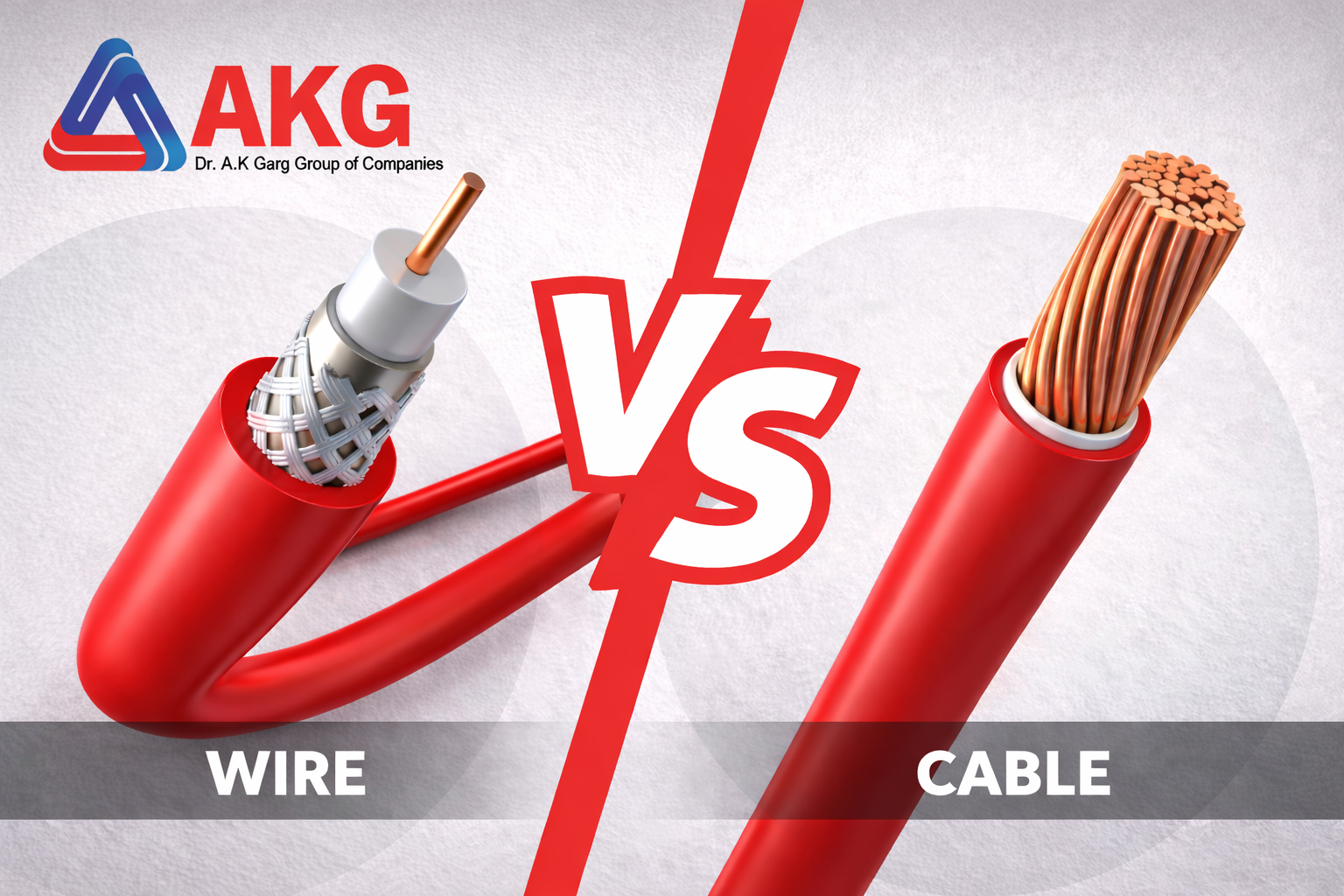
An electrical wire is a single metal conductor that carries electricity from one place to another. In most cases, this conductor is covered with insulation to prevent electric shocks and short circuits.
Electrical wires are usually made of copper or aluminium because these metals allow electricity to flow easily. Wires can be solid or made of multiple thin strands. Solid wires are often used in fixed wiring, while stranded wires are used where some flexibility is needed.
Wires are commonly used inside conduits, switchboards, and electrical panels where individual connections are required.
What Is Electrical Cable
An electrical cable is made up of two or more insulated wires grouped together inside a protective outer covering. This outer layer helps protect the wires from damage caused by moisture, heat, or physical impact.
Cables are used when multiple wires need to be run together in an organised and protected way. Because of the extra covering, cables are generally stronger than single wires and are suitable for longer runs or tougher conditions.
Electrical cables are widely used for power supply, equipment connections, and structured wiring systems.
Key Differences Between Wires and Cables
The main difference between wires and cables is their structure.
A wire has one conductor, while a cable contains several wires inside one outer sheath. This makes cables more durable and better protected, while wires offer more flexibility for individual connections.
Wires are useful when circuits need to be separated or routed individually. Cables are helpful when many conductors need to travel together, making installations neater and easier to manage.
Both are essential parts of electrical systems, and each is chosen based on how and where it will be used.
Practical Uses of Wires and Cables
Wires and cables are often used together in electrical installations.
Wires are commonly used inside buildings for internal connections, switchboards, and distribution panels. Cables are used where power needs to be carried over longer distances or where multiple wires must stay grouped and protected.
In conduit wiring, wires are usually pulled through the conduit, while cables may be used when grouped conductors make installation easier. To understand usage better across different situations, you can refer to different types of electrical wires and cables used in wiring systems.
How to Choose Between Wires and Cables for Your Project
Choosing between wires and cables depends on the installation conditions.
For fixed indoor wiring, individual wires inside conduits are often suitable. For outdoor areas, industrial locations, or places where extra protection is needed, cables are usually a better option.
Other factors such as electrical load, voltage, and physical stress should also be considered. Using the correct size and insulation type helps prevent overheating and damage.
Always make sure the selected material follows electrical standards and project requirements for safe operation.
Conclusion
Understanding the difference between wires and cables makes it easier to plan safe and efficient electrical installations. Wires are simple and flexible for individual connections, while cables offer better protection and organised routing for complex setups.
No matter which one is used, it is important to select certified wires and cables for electrical installations that meet safety standards and suit the application. The right choice supports long-term performance and reliable electrical systems in homes, offices, and industrial facilities.
FAQs
What is the main structural difference between a wire and a cable?
A wire has one conductor, while a cable contains multiple insulated wires inside a single protective covering.
Can a cable be used in place of a wire?
In some cases, yes. This depends on the design of the electrical system and whether the cable meets the required ratings for the application.
Are wires and cables used for the same purposes?
Both carry electricity, but they are used differently based on protection needs, installation type, and layout requirements.
What materials are commonly used to make wires and cables?
Copper and aluminium are commonly used as conductors. Insulation and outer coverings vary depending on safety and performance needs.